
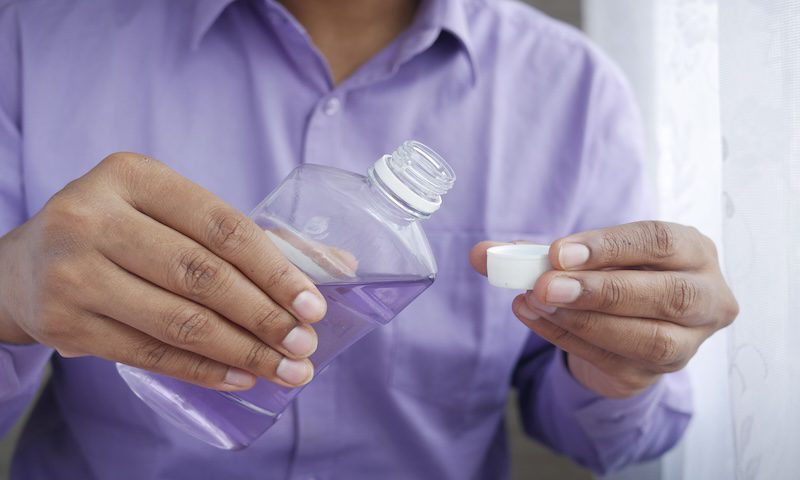
In 1879, a St. Louis chemist named Joseph Lawrence created an alcohol-based antiseptic and named it Listerine, after Joseph Lister, the surgeon who championed sterile surgery. Lawrence first promoted it as a surgical antiseptic. Two years later he licensed the formula to a local pharmacist, Jordan Wheat Lambert, who built a company around it.
What followed was a long search for a reason people would buy it. At various points, the same liquid was sold as a floor cleaner and as a cure for a sexually transmitted disease. In 1895 it was pitched to dentists for oral care. In 1914 it became the first mouthwash sold over the counter in the United States. It was a real product with real sales, but it didn’t have a clear identity or a large market.
That changed in the 1920s. Gerard Lambert, the founder’s son, pushed a marketing campaign built around a medical-sounding term for bad breath: “chronic halitosis.” The ads told stories of people losing friends, dates and job opportunities without knowing why, because nobody would tell them their breath was bad. The problem had always existed. What was new was a name for it and a clear product that solved it.
The results were dramatic. Within seven years, company revenues grew from about $115,000 to more than $8 million. Listerine had gone from a product that could do many things to a product known for one thing.
There’s a caution in this story too. Listerine’s marketing later went too far. In 1976, the Federal Trade Commission ruled that its claims about preventing colds and sore throats were misleading. Finding the right problem built the brand. Overstating what the product could do eventually cost it.
The lesson: if your product has been tried in many directions without taking off, the problem may not be the product. It may be that you haven’t yet matched it to a problem people feel strongly enough to pay for. Look for the problem your customers already have but don’t have a name for, then describe it clearly. Just make sure you only promise what the product actually delivers.
Article contributed by
The AFE Editorial Team
