
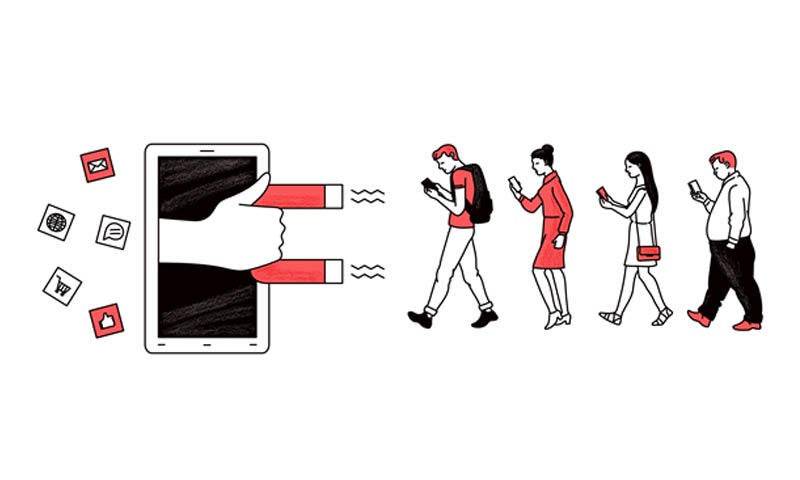
Somewhere in your records is a list of people who already did the hardest thing a customer can do: they trusted you with money once. Then the project ended, life moved on, and neither of you reached out again. They didn’t fire you. They didn’t go to a competitor. They just went quiet, and so did you.
That list is the cheapest pipeline you will ever have, and most small businesses treat it as history instead of inventory.
Why it works
A former client already knows what you do, how you work, and that you deliver. Every objection a cold prospect has to get past, they’ve already gotten past. The only thing missing is a reason to think about you this month, and that’s the one thing a message can provide.
There’s also the plain math of it. Landing a new client from scratch takes weeks of conversations and a fair amount of luck. Reactivating an old one takes one email and, often, one reply. If even one in ten dormant clients comes back, a quarterly round of twenty messages is two new projects for an hour of work.
How to run it
Make the list. Every client you haven’t billed in twelve months or more, going back as far as your records go. Cut anyone you wouldn’t want back. Everyone else stays, including the ones you assume have moved on. You’re guessing, and the message costs nothing.
Give each one a reason. This is what separates it from “just checking in,” which people delete on sight. The reason should be specific to them if you can manage it, and specific to now if you can’t:
- Something changed in their world: a new season, a new rule, a new platform they’ll need to deal with.
- Something changed in yours: a new service, an opening in your schedule, a piece of work you did that’s relevant to them.
- Something you noticed about their business: their website, their listing, a post they made.
Keep it to four sentences. Who you are, in case they need reminding. The reason. One question. That’s it. Something like: “Hi Dana, it’s been about a year since we redid your booking page. I’ve been helping a few clients get set up for the fall rush, and I noticed your hours page still shows summer. Want me to take a quick look?”
Send them over a week, not all at once. Five a day. It keeps the replies manageable and lets you adjust the message if the first few land flat.
Log the responses and repeat next quarter. Some people will say “not now.” Not now is not never. They go back on the list and get a different reason in three months.
The mistake most people make
Sending one message to the whole list. A mass email with everyone’s name mail-merged in reads exactly like what it is. The value of this tactic is that a real person noticed a real thing. Twenty individual messages beat one broadcast every time, and they take about the same hour.
The other mistake is leading with a discount. A former client doesn’t need to be bribed; they need to be reminded. Discounts also teach them to wait for the next one. Lead with the reason and keep your price where it is.
Do this today
Pull every client you haven’t invoiced since this time last year. Pick the five you liked working with most. For each one, write one sentence about why now is a good time to talk. Send those five before you close the laptop. Put the rest on the calendar for the remaining days this week.
Article contributed by
The AFE Editorial Team
