
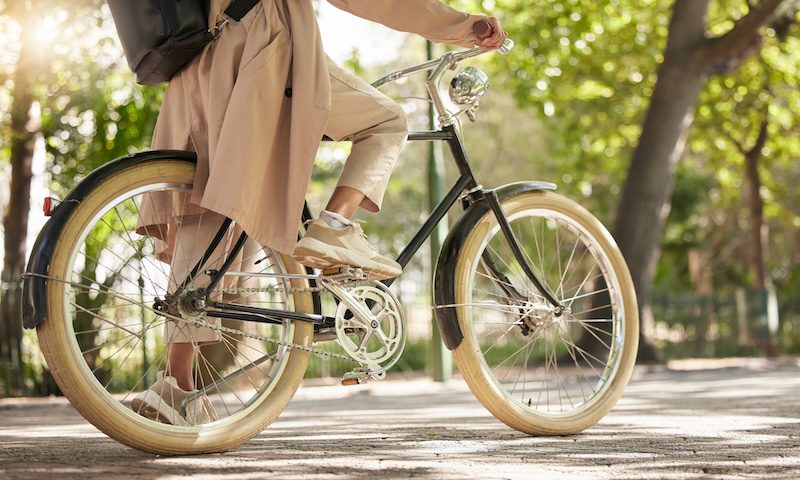
The drive to work was never just a drive. It was the thirty minutes your brain used to change modes, and most people who work from home deleted it without replacing it.
Ask anyone who went from an office to a home business what they miss, and the commute is never on the list. Why would it be? An hour a day in traffic, gone. What nobody mentions is what the commute was quietly doing. It was a boundary with a physical shape. You walked out one door as a person at home and walked in another as a person at work, and in between, without trying, you rehearsed the day ahead. On the way back you did the reverse. The problems of the day got a half hour to settle before they walked into the kitchen with you.
Take that away and something odd happens. Work doesn’t start, it seeps. You check email while the coffee brews and you’re suddenly in it, no beginning, still in pajamas. Work doesn’t end either. It’s on the same laptop, on the same table, and the day just sort of thins out into evening. A lot of the exhaustion home-based founders describe isn’t from working too many hours. It’s from never once being fully off.
The fix is almost embarrassingly simple: put the transition back on purpose. A fake commute. Ten or fifteen minutes, twice a day, that exist only to move you from one mode to the other. Walk around the block before you sit down and again after you close the laptop. Drive to get a coffee you could have made at home. Sit on the porch with a notebook and write three lines about what today is for, then three lines at the end about what happened. The activity matters less than the fact that it’s the same one every day, and that it happens between the two halves of your life rather than inside either one.
It will feel unnecessary for the first week. You’ll be tempted to skip it because the work is right there and starting is easier than walking. Skip it anyway and you’ll notice, within a few days, that mornings feel scattered again and evenings never quite arrive.
The people who built the commute into cities weren’t thinking about your mental state. But they accidentally gave workers something valuable, a daily ritual that said “now you’re here, now you’re not.” Working for yourself means you don’t get that for free anymore. It also means you get to design one that’s better than sitting in traffic.
Fifteen minutes, twice a day, on purpose. That’s the whole prescription.
Article contributed by
The AFE Editorial Team
