
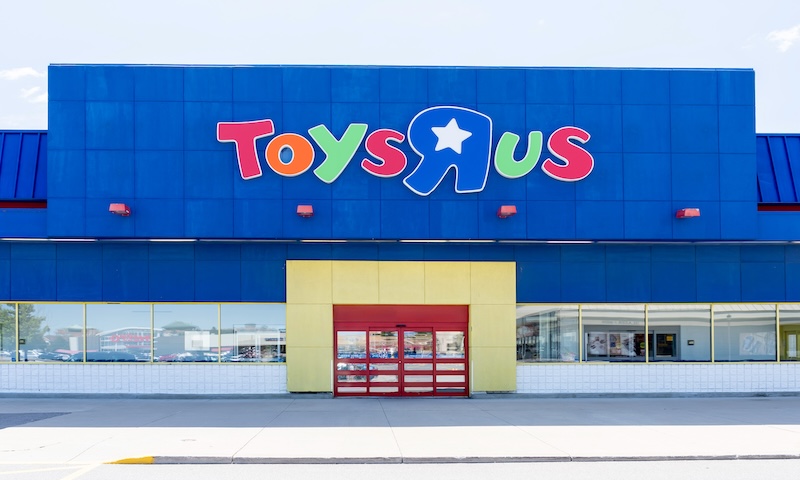
Toys R Us was once one of the most recognizable names in toy retail, known as the go-to destination for holiday shopping and the hottest toys on the market. However, despite decades of brand recognition, the company faced major financial struggles that ultimately led to bankruptcy.
While heavy debt and large physical store costs played a role, the deeper issue was not simply financial pressure—it was the company’s inability to adapt to changing consumer behavior. The retail landscape evolved rapidly, and Toys “R” Us struggled to keep up.
Financial Pressure Was Only Part of the Problem
The company entered bankruptcy while carrying billions in long-term debt, including large upcoming repayment obligations. This created intense financial pressure during a crucial time of year.
For toy retailers, the holiday season is everything. A significant portion of annual sales happens in the final months of the year. Filing for bankruptcy during this period raised concerns among suppliers and customers alike, creating uncertainty around the brand.
Competitors such as Walmart, Target, and Amazon were ready to capture those hesitant shoppers.
But debt alone did not cause the collapse. The bigger issues ran much deeper.
The Brand Lost Its Competitive Edge
Toys “R” Us built its reputation by being the ultimate toy destination. Parents and children trusted the brand for selection, value, and exciting in-store experiences.
For years, shoppers visited stores to hunt for must-have toys, from Beanie Babies to Tickle Me Elmo to Furby. The experience of finding the hottest toy made parents feel like heroes during the holidays.
Over time, however, that experience lost its appeal.
Modern shoppers still want convenience and value, but they no longer want crowded stores, long checkout lines, or the stress of holiday shopping chaos. Online shopping changed expectations dramatically.
Consumers can now compare prices, read reviews, and order products within minutes—often with same-day or next-day delivery. Convenience became more valuable than the in-store experience Toys “R” Us was built around.
Strategy Failed to Match Consumer Behavior
One of the company’s biggest challenges was strategic misalignment.
Retail shopping is no longer strictly online or in-store. Most consumers are hybrid shoppers, meaning they use both channels throughout their buying journey.
For example, customers may research products online and then visit a physical store only when ready to buy. Businesses that succeed today create seamless connections between digital and physical experiences.
Toys “R” Us attempted to modernize by improving inventory management, simplifying pricing, and integrating ecommerce with physical stores. However, these efforts were not enough.
The company’s infrastructure was built for an older retail model. Large centralized distribution centers slowed delivery and made it difficult to compete with faster ecommerce companies.
Meanwhile, online retailers had already optimized for speed, convenience, and rapid fulfillment.
Technology Investments Came Too Late
In an effort to modernize, Toys “R” Us invested heavily in upgrading its ecommerce systems and experimenting with new technologies.
One example was an augmented reality shopping experience featuring mascot Geoffrey the Giraffe. Using mobile devices, shoppers could interact with virtual experiences inside stores, bringing toys to life through digital overlays.
The concept was creative and engaging, especially for children.
But innovation alone could not solve the company’s core problems.
Advanced technology can improve customer experience, but it cannot fix a broken business model. In this case, features like augmented reality felt more like surface-level improvements rather than meaningful solutions.
Customers might enjoy the experience in-store—but many would still complete their purchases online elsewhere.
A Lesson in Business Adaptation
The fall of Toys “R” Us offers an important lesson for every business.
Companies rarely fail simply because competition exists. They fail when they stop evolving with customer expectations.
A successful turnaround requires three essential components:
1. A Relevant Brand Story
Businesses must clearly communicate why they matter and how they solve customer problems.
2. A Strong Customer Experience
Whether online or in person, the buying journey must feel seamless, efficient, and valuable.
3. Systems That Support Execution
Great ideas mean little without the infrastructure to deliver consistently.
The biggest lesson is simple: market leaders cannot rely on past success forever.
Consumer expectations change, industries evolve, and businesses must adapt quickly or risk becoming obsolete.
Even the strongest brands can disappear if they fail to innovate where it matters most.
Article contributed by
The AFE Editorial Team
