
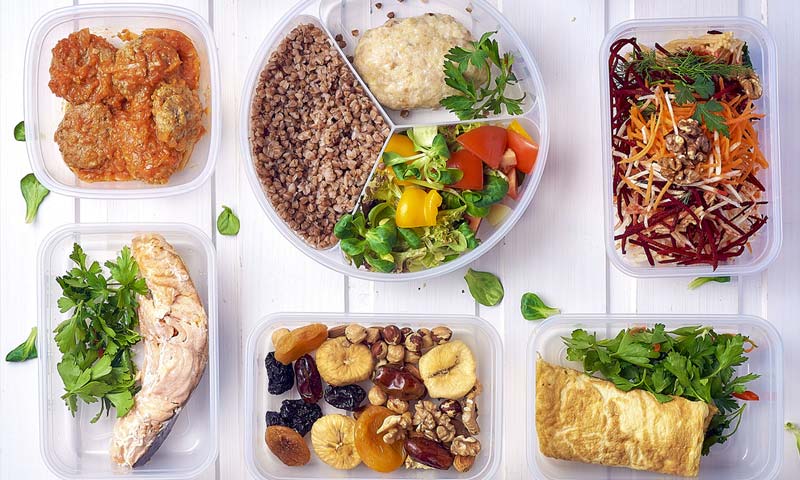
Entrepreneurs already make countless decisions every day. Choosing what to eat should not become another exhausting task.
Meal planning is often promoted as a way to save time, reduce spending and support better energy. However, many plans fail because they are designed for perfectly predictable weeks rather than real schedules filled with meetings, emergencies and unexpected changes.
The solution is not greater discipline. It is a more flexible system.
Why Traditional Meal Plans Fall Apart
Most people begin the week with good intentions. They choose recipes, buy groceries and prepare to stay organized. Then a meeting runs late, family responsibilities appear or the food everyone liked last week suddenly becomes unpopular.
By the middle of the week, the plan begins to collapse. By Friday, dinner once again feels like a last-minute problem.
People often blame themselves when this happens, but the real issue is usually the structure of the plan. A system that only succeeds when everything goes exactly as expected is not designed for everyday life.
Meal planning should function more like a flexible framework than a strict schedule.
Entrepreneurs already understand this principle in business. Plans regularly change once they meet real conditions. Successful companies are not always the ones with flawless strategies. They are the ones that adjust quickly.
The same is true of food.
Planning Meals Is Only Half the Challenge
Meal planning actually requires two different actions.
The first is deciding what you may want to eat during the week. The second is remembering that decision when you are tired, hungry and distracted at the end of the day.
That second step is where many plans fail.
A meal plan may exist on paper, inside a notes app or somewhere in your memory, but it can still feel unavailable when you need it most. After spending the day making decisions about employees, customers, finances and strategy, figuring out dinner can feel surprisingly difficult.
Busy professionals usually do not need more recipes. Many already know how to cook. What they need is a simple system that makes their choices easy to remember and easy to adjust.
Flexibility Makes Meal Planning Sustainable
The best meal plans are not perfect. They are forgiving.
They allow you to repeat meals you already enjoy, move meals to different days and change direction without wasting ingredients.
One useful strategy is to plan meal categories instead of exact recipes. Rather than assigning a specific dish to Tuesday, you might write “tacos,” “grain bowl” or “salad with protein.”
This provides enough structure to reduce decision-making while still leaving room to adapt.
When people stop trying to follow a flawless schedule, cooking becomes less stressful. Food begins to fit naturally into the week instead of feeling like another project to manage.
Practical Meal-Planning Strategies for Busy Schedules
Create a Reliable Meal Rotation
Build a list of 10 to 15 meals that you enjoy and already know how to prepare. Repeating familiar meals makes grocery shopping easier and reduces the pressure to find new recipes every week.
Cook Once and Eat More Than Once
Choose meals that can provide several servings. Soups, chili, roasted vegetables, shredded chicken and grain bowls can become lunches or additional dinners later in the week.
Preparing larger portions intentionally can save significant time.
Plan Around Flexible Ingredients
Instead of purchasing ingredients for only one specific recipe, choose foods that can be used in several ways.
Cooked rice, quinoa, roasted vegetables, grilled chicken, tofu or hard-boiled eggs can become salads, wraps, bowls or stir-fries depending on what you want that day.
Keep Two Nights Open
You do not need to schedule every dinner.
Leaving one or two flexible nights creates room for leftovers, takeout, social plans or an especially simple meal when the day becomes unexpectedly busy.
Always Have an Easy Backup Meal
Keep one meal available that requires almost no planning or preparation.
This could be a frozen meal you enjoy, eggs and toast, pasta with olive oil and parmesan or a quick stir-fry. A dependable backup prevents the feeling that there is nothing available to eat.
Prepare Building Blocks Instead of Full Meals
A simple weekly preparation routine can make meals easier without requiring you to cook everything in advance.
Prepare one protein, one healthy carbohydrate, two or three vegetables and a couple of sauces. For example, you might grill chicken or tofu, cook rice or quinoa, roast vegetables and make a vinaigrette or yogurt-based sauce.
These ingredients can then become bowls, wraps, salads or stir-fries throughout the week.
This approach saves time while still giving you variety.
Plan for the Week You Will Actually Have
Meal planning is not about controlling every detail. It is about reducing friction and making everyday food decisions easier.
A useful plan should account for changing schedules, unpredictable energy levels and meals you genuinely enjoy.
When your system is flexible enough to survive real life, consistency becomes much easier.
Article contributed by
The AFE Editorial Team
