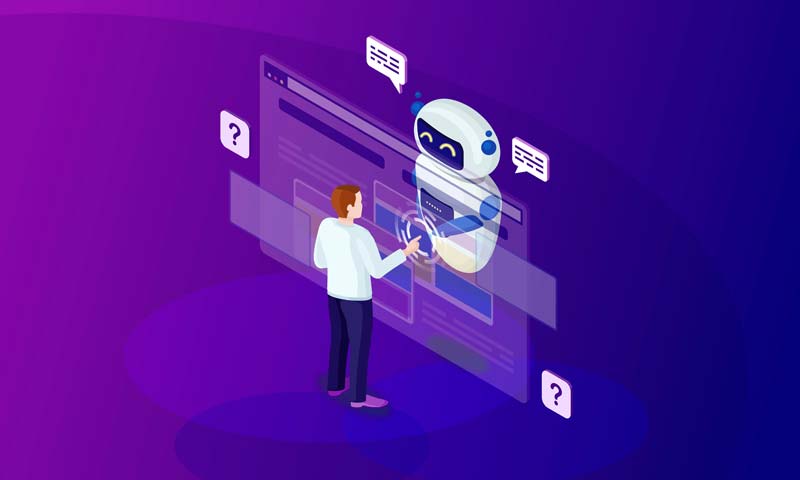
Generative AI tools are powerful assets that significantly streamline essential tasks in the workplace. By implementing AI agents for small businesses, you can further boost productivity and achieve greater levels of efficiency.
Before exploring how these technologies can benefit your business, it’s important to understand the distinction between the two. Generative AI typically assists with specific tasks, enhancing productivity in targeted areas. In contrast, AI agents are more advanced; they can manage multiple connected tasks, allowing them to carry out multistep workflows with less human involvement. These agents generally require your approval before finalizing significant actions, ensuring you maintain control over critical processes.
In a small business setting, generative AI can lead to several automated tasks, including:
- Automating Follow-Up Messages: Automatically sending messages to clients after interactions to ensure they feel valued and informed.
- Appointment Confirmations: Reducing no-shows by automatically confirming appointments through emails or text messages.
- Responding to Customer Inquiries: Providing 24/7 support by quickly answering common questions from customers through chatbots or email automation.
- Sending Invoice Reminders: Ensuring timely payments by automatically reminding customers of upcoming or overdue invoices.
- Analyzing Data: Utilizing data analysis tools to interpret results and generate insights that can inform business decisions.
While generative AI can assist with individual tasks, AI agents can connect these tasks into a larger workflow and execute them with minimal human involvement. For example:
- Identify New Leads: Automatically source and flag potential customers by analyzing market trends and identifying relevant contacts.
- Send Messages and Follow Up with Leads: Engage with prospects by sending introductory messages and ensuring that follow-ups occur in a timely manner.
- Track Responses: Monitor lead interactions and alert sales personnel when a potential customer expresses interest, streamlining the sales process.
- Check Calendars and Schedule Appointments: Manage the scheduling of meetings by checking availability, presenting options to customers, and sending appointment confirmations and reminders automatically.
- Handle Customer Queries: Process customer questions by referencing approved information, generating responses, creating support tickets, and escalating more complex issues to designated team members as necessary.
- Monitor Financial Activities: Keep track of overdue invoices, send periodic reminders, confirm receipt of payments, follow up as needed, and notify you if any outstanding invoices remain unresolved.
- Data Management and Reporting: Analyze and organize business data, generate insightful reports, and communicate these findings to the relevant personnel to facilitate informed decision-making.
AI agents can benefit businesses significantly, but they should still require some human oversight. Business owners should clearly define which tasks AI can handle independently and which need better human approval. High-risk decisions—like large financial transactions, contracts, legal or medical issues, personnel changes, major refunds, and safety concerns—should never be left entirely to AI. To use AI agents safely and responsibly, consider the following key factors:
- Privacy: AI agents may have access to sensitive customer information, such as emails, calendars, financial records, and other private data. Therefore, it is crucial to grant the agent access only to the information it needs to perform its tasks, ensuring customer privacy and data security.
- Hallucinations: AI can sometimes produce inaccurate information, a phenomenon known as ‘hallucination.’ It’s important to verify any critical details presented by the AI before making business decisions based on that information.
- Human Oversight: Continuous human oversight is essential for monitoring the actions of the AI agent. Establishing parameters that require the agent to seek approval before executing significant actions ensures accountability and reduces the risk of errors.
Article by
Ava Collins
Content Writer and Researcher