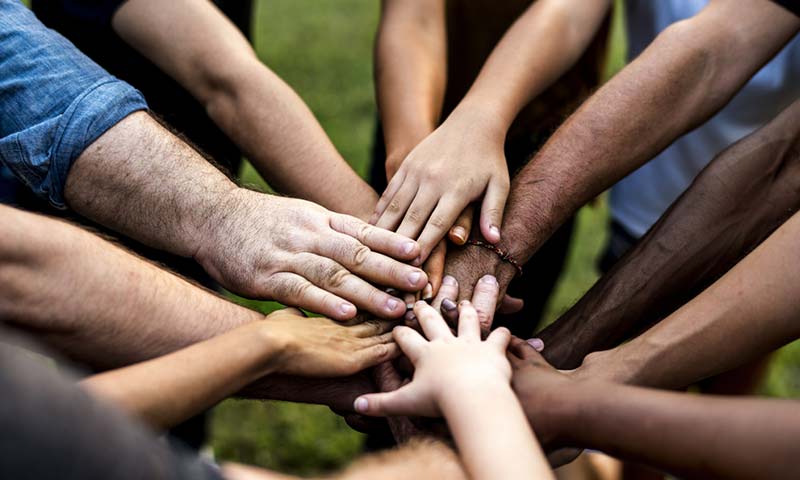
There’s power in numbers. The community business models are booming in the small business space, turning genuine personal relationships into an engine that revs up steady revenue and longterm sustainability.
So what’s involved? A typical business model offers a product or service and simply hopes they return. A community business model intentionally stacks human relationships, shared interests and mutual support to organically design repeat customers and recurring revenue. With even a small but engaged audience, hyper-local businesses serving micro-communities can leverage the community business model to build predictable, sustained revenue. Loyal customers spend more and being part of a community boosts their perception of product value.
Nike is a massive corporation, but it still leans on the community business model. The brand partners with athletes, content creators, promotes hashtags like #kickcheck and #AirMaxMondays, and nurtures localized groups such as Nike+ Run Club and in-person and online meetups tailored to different demographics and interests. This ecosystem of belonging and participation engages members as co-creators and the benefit is rich consumer insights and organic product awareness. AFEUSA members have access to a wealth of insightful content from America’s top entrepreneurial leaders for guidance and inspiration.
The smallest business can tap into same power in its own niche — online or at a physical location. It’s a matter of finding your lane, then prioritizing consistent, authentic ways to engage your specific audience, maximizing the community business model with a little creativity and audience knowledge. At AFEUSA, members can discuss ideas with fellow entrepreneurs in our online forums.
Hyper-local niche businesses like boutiques or coffee shop utilize the community business model by hosting community events around cultural holidays, “shop local” days, and loyalty programs that reward repeat visits. A neighborhood might host ongoing book clubs, while a bike repair shop hosts weekend rides on local trails. Local fitness adventure clubs do something similar, turning shared activities into friendships and longterm memberships.
Digital creators are also embracing the community business model by monetizing memberships that open up access to exclusive content, community interaction or tailored personal services such as nutrition coaching or life coaching. This converts followers into paying members and generates consistent monthly income, even for solo entrepreneurs. The global creator economy now generates hundreds of billions of dollars and is projected to grow dramatically in the coming decade..
Online businesses lean on subscription boxes and curated product offerings: monthly assortment boxes featuring small food producers, craft kits from a creative sites or specialized tools for a particular hobby. Learning communities may bundle classes, live Q&As, and peer discussion spaces into subscriptions so the value grows with the burgeoning community.
All of these businesses can offer exclusive merchandise and member benefits and may partner with local charitable organizations or festivals that present opportunities to drive attendees to their brick and mortar locations or websites on a future date.
Once you have a basic understanding of what’s possible, it’s time to take the wheel and let the community business model drive your success. You’ll build meaningful connections that benefit your customers while putting at least some of your revenue on cruise control.
Article by
Shannon Severson
Content Writer and Researcher